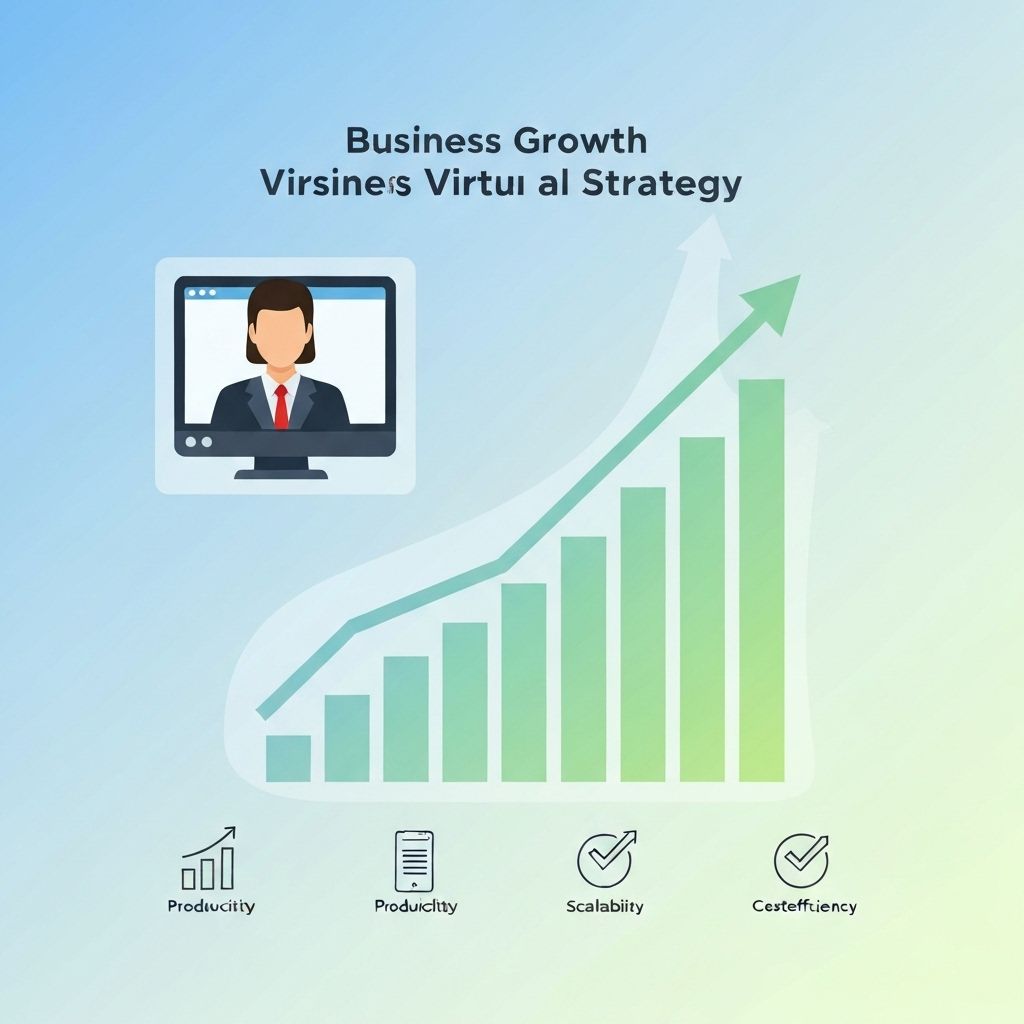
Off-the-shelf software promises convenience, but it rarely fits the shape of your business. As companies mature, generic tools start to feel like rented suits — workable, but never quite right. That's why more founders and operators are choosing to build their own SaaS: a product tailored to their workflow, their customers, and their growth curve. In this guide, we walk through what it really takes to ship a custom SaaS product — from validating the idea to scaling it responsibly — and why owning your software stack is becoming one of the most strategic moves a modern business can make.
1. Why Build a Custom SaaS Instead of Buying One
Generic SaaS platforms are designed for the average customer, which means every business pays for features it doesn't need and works around features it does. A custom SaaS, on the other hand, mirrors your exact workflow, removes friction from daily operations, and eliminates recurring per-seat fees that balloon as your team grows. More importantly, it turns your internal know-how into a proprietary asset — something competitors can't simply subscribe to.
2. Validating the Idea Before a Single Line of Code
The most expensive mistake in SaaS development is building the wrong thing beautifully. Before any engineering starts, invest in structured validation: customer interviews, workflow mapping, and lightweight prototypes. A clickable mockup tested with five real users will tell you more about product-market fit than six months of speculative development. The goal at this stage is to separate assumptions from evidence.
3. Scoping the MVP Ruthlessly
A minimum viable product should be embarrassingly small. The discipline is not in what you build, but in what you cut. Identify the one workflow that delivers the clearest value and build only that — end to end, polished, reliable. Every feature added to the MVP pushes your launch further away and dilutes the signal you get from early users. A focused v1 beats a bloated v1 every time.
4. Choosing an Architecture That Won't Box You In
Early technical decisions echo for years. Favor boring, proven technologies over trendy ones, prefer managed services that remove undifferentiated work, and design with multi-tenancy in mind from day one. Good architecture isn't about predicting the future — it's about keeping options open. Clean module boundaries, a well-defined data model, and API-first design make tomorrow's pivots affordable instead of catastrophic.
5. Designing for Onboarding, Not Just Features
SaaS products live or die in the first five minutes. Users don't read documentation, they don't explore menus, and they won't give your product a second chance. Build onboarding like a product in its own right: empty states that teach, sample data that demonstrates value, progress cues that reward setup. The fastest path to the user's first meaningful outcome is the single most important design problem you will solve.
6. Building Security and Compliance In from Day One
Retrofitting security into a live product is painful and expensive. From the first commit, enforce secure defaults: encrypted data at rest and in transit, least-privilege access, audit logging, and proper secret management. If your customers are in regulated industries, design your data boundaries with compliance in mind — SOC 2, HIPAA, or GDPR are far cheaper to plan for than to fix later. Trust is a feature, and it compounds.
7. Instrumenting Everything That Matters
You cannot improve what you cannot see. Product analytics, error tracking, and performance monitoring should ship with v1, not v3. Instrument the core user journey, track activation and retention cohorts, and watch where users quietly struggle. The teams that iterate fastest are the ones whose telemetry tells them where to iterate — so they're not guessing, they're responding.
8. Launching Quietly, Then Loudly
A noisy launch to a broken product is a self-inflicted wound. Start with a private beta of a dozen engaged users who tolerate rough edges in exchange for influence. Use their feedback to harden the product, then graduate to a wider audience with a public launch anchored in real case studies and measurable outcomes. Momentum compounds — but only after the product earns it.
9. Scaling the Product and the Team Together
Scaling is not just an infrastructure problem. As usage grows, so do support volume, onboarding complexity, and the cost of small bugs. Plan for the organizational side of scale: customer success processes, tiered support, clear escalation paths, and a release cadence that protects reliability. A SaaS that scales well on servers but not on humans will still collapse under its own success.
10. Treating the Product as a Living Asset
A custom SaaS is never finished — it's a compounding asset. The real return on investment comes from continuous iteration: refining workflows, retiring dead features, and listening closely to the customers who pay with their attention every day. The best-run SaaS products evolve alongside the businesses they serve, and in doing so become harder and harder to replace.
Conclusion
Building your own SaaS is not just a software project — it's a strategic decision to own the systems that run your business and the tools you sell to others. Done well, a custom platform removes the compromises of off-the-shelf software, sharpens your competitive edge, and creates long-term leverage that rented solutions simply can't match. The path from idea to scalable product is demanding, but with disciplined scoping, thoughtful architecture, and a relentless focus on user outcomes, a custom SaaS becomes one of the most durable assets your company will ever build.